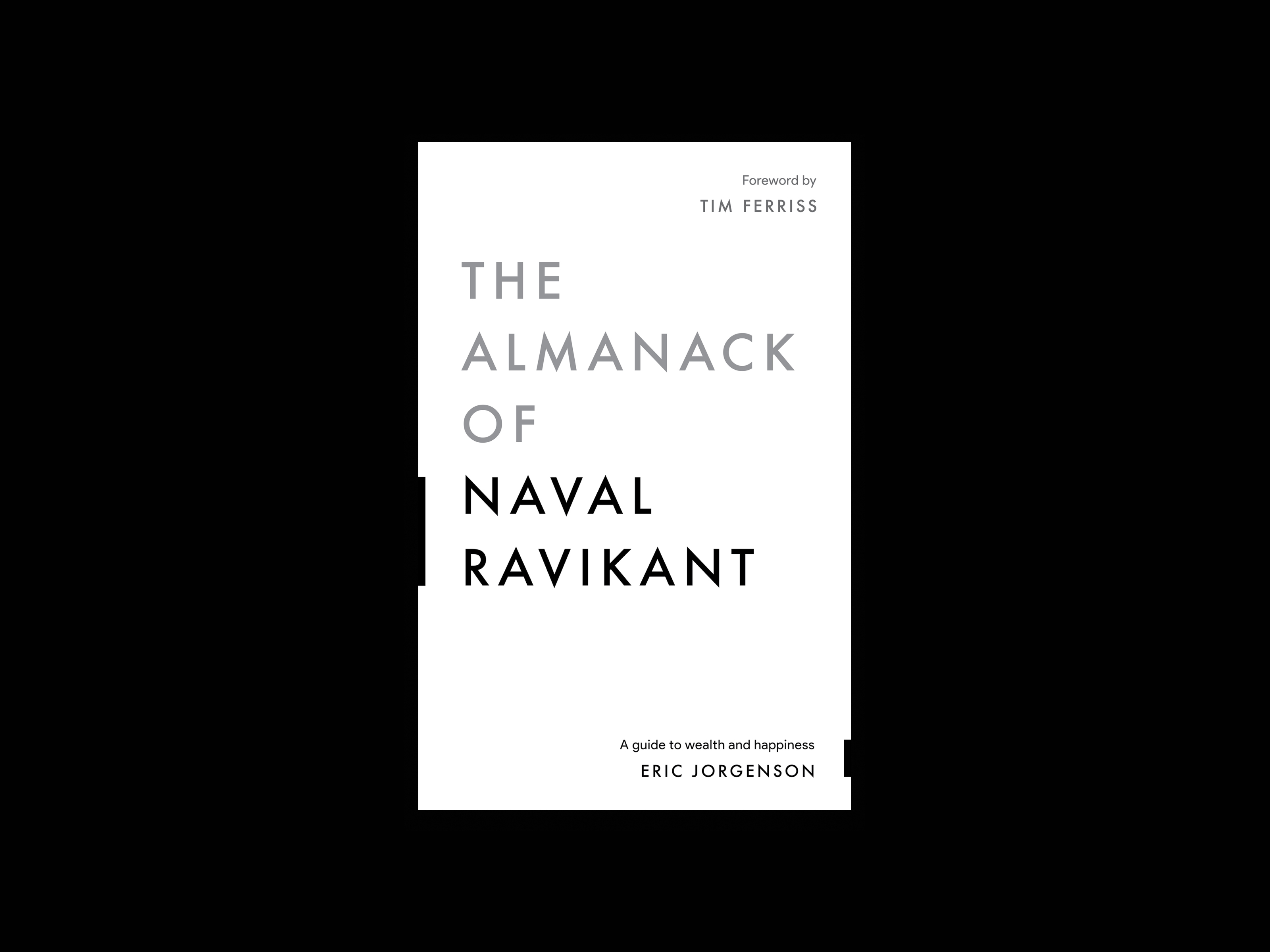
Think long term
One of Naval's clearest lessons is to think long term. He points out that many people are too occupied with short-term gains, and that this stops them from building wealth that lasts.
Long-term strategies:
Invest in assets that can grow over time, such as shares, property or technology.
Build something that gives value over time, whether that is a company, a product, or a personal brand.
Avoid a get-rich-quick mindset. Lasting success takes time.
Build income that is not an exchange of time for money
Naval explains that a key to financial freedom is to separate your time from your income. Instead of working for a fixed hourly rate, make systems or products that can earn on their own.
How to earn without selling time:
Make digital products, such as e-books, online courses or software, that can be sold while you sleep.
Invest in the stock market or in crypto that can grow when you are not actively working.
Automate parts of the business, so you do not have to be present in order to earn.
Use leverage to increase the income
Naval uses the word leverage for technology, capital and people that increase your results without you working more. It is a strong strategy for building wealth.
How to use leverage:
Use technology to scale, through e-commerce, automated marketing or building an app.
Invest capital in assets that can give passive income, such as shares or rental property.
Hire skilled people, or work with partners who complement you and help the business grow faster.
Understand specialisation
Building financial freedom often means standing out. Naval points out that specialisation is a key to building value in a competitive market. When you are exceptionally good at one thing, you can ask for a higher price, or make products of high value.
How specialisation can help you earn more:
Focus on a field you care about, and become an expert in it.
Increase your value by building a personal brand that is synonymous with expertise in that field.
When you are among the best at what you do, you can set your own prices and attract people who value quality.
Invest in yourself and your skills
Naval also stresses investing in yourself, in both time and money. Knowledge is one of the best investments you can make, and it returns value for the rest of your life.
How to invest in yourself:
Take courses or certifications that give you skills people ask for.
Learn new technology or investment strategies, so you stay current.
Find mentors, or a network of people who have done it, who can help on the way.
Wealth is freedom, not things
A central point in Naval's philosophy is that wealth is about freedom, not necessarily things or material abundance. Financial freedom is having the time and the resources to do what you love, when you want. It is about controlling your own course.
What financial freedom means, according to Naval:
The freedom to work on your own terms, without being tied to a boss or an employer.
You can spend time on projects you care about, without worrying about the immediate bill.
You have room to be creative and to experiment, because you have a financial floor.
Points worth keeping
Think long term. Investments and sources of income should be built to last.
Separate time from income. Find ways to earn that do not require constant work.
Use leverage. Technology, capital and people can multiply your effort.
Specialise. Become an expert in a narrow field, and your value rises.
Invest in yourself. Continuous learning is the key.
Wealth is freedom. Financial freedom is the chance to live on your own terms.
Closing
Naval Ravikant's principles for financial freedom are durable, and they apply now. By thinking long term, investing with care, and building income that does not require continuous effort, you can move, slowly, towards independence. Real wealth is not necessarily about money. It is about the freedom to live the way you want. Working smarter, not only harder, is the aim.
Source and inspiration: https://www.navalmanack.com