I know the value of making room, rather than controlling. As a parent I see that it is not necessarily the strict rules that help children make wise choices. It is the safety, the trust and the curiosity we grow together. Children grow when they understand why something matters, and when they feel they can do it. In many ways that is how people and ideas need good conditions if they are going to flourish.
I look at companies and founders the same way. We do not need more rules that choke the will to make things. We need frames that inspire. Frames that grow the wish to contribute something real. What if we built future value on the same principles we use to grow trust in children: show a way, ask questions, wake curiosity, and reward mastery.
When we do that, I think we find products and services that feel natural, because they are natural. They are built on human and earthly values. They let us recognise ourselves, not only as consumers or users, but as people. People with responsibility, with the ability to choose, and with the power to make something.
We carry different backgrounds, cultures and belongings. We are part of something larger: humanity, a nation, a city, a town, a village, a neighbourhood, a family. We are individuals, and we are a we. Just as there are countless species of plants and animals, there are countless ways to be a person. Seen through the garden, gardens differ too. They are shaped by climate, soil, history and surroundings. Some grow wild. Others are carefully tended. All of them aim at the same thing: to get the best out of the place where they are planted.
The problem is that many of the best ideas fall between two chairs. Between innovation and bureaucracy. Between a maker's vision and the system's demand for documentation and structure. We have made a reality where you have to apply in order to create. And sometimes the person who has never felt a real urge to make is the one who judges whether your idea is worth anything. That is like asking a gardener who has never planted for advice.
I think many ideas that could have made things better never get to grow. Not because they are bad. Because they do not fit the system that decides what is “good enough”. I think that is a shame.
Not everyone can write a good application. Many people can change the world.
We should ask ourselves more often: who are we building the system for? Who do we catch, and who do we let through without knowing it? What kind of future do we actually want?
I think we have a lot to gain by looking back at nature. At what is real, at what sprouts without too much steering. Nature is not efficient on paper. It is patient. And everything in it is connected.
Today we are locked to a system that tells us freedom comes through economic growth. That the value of an idea is measured in return. Is it really freedom to chase more, all the time? Or can freedom be the feeling that you are building something that means something, with other people, for real?
So no, I do not think the way forward is only stricter rules. I do not think that is what makes us create better things. I think we need more room, more understanding, and more people who cheer for what does good, before it has to be proved with numbers.
And yes, I know this may be an idealistic thought. A kind of faith in people that expects more than we manage to deliver. We are different, with different abilities, qualities and aims. I also think a person on the wrong course can be corrected, not with more laws, but with the right motivation. That is why I hold on to these thoughts. In hope of a better future. Not only for those of us who are here now, but for those who come after.
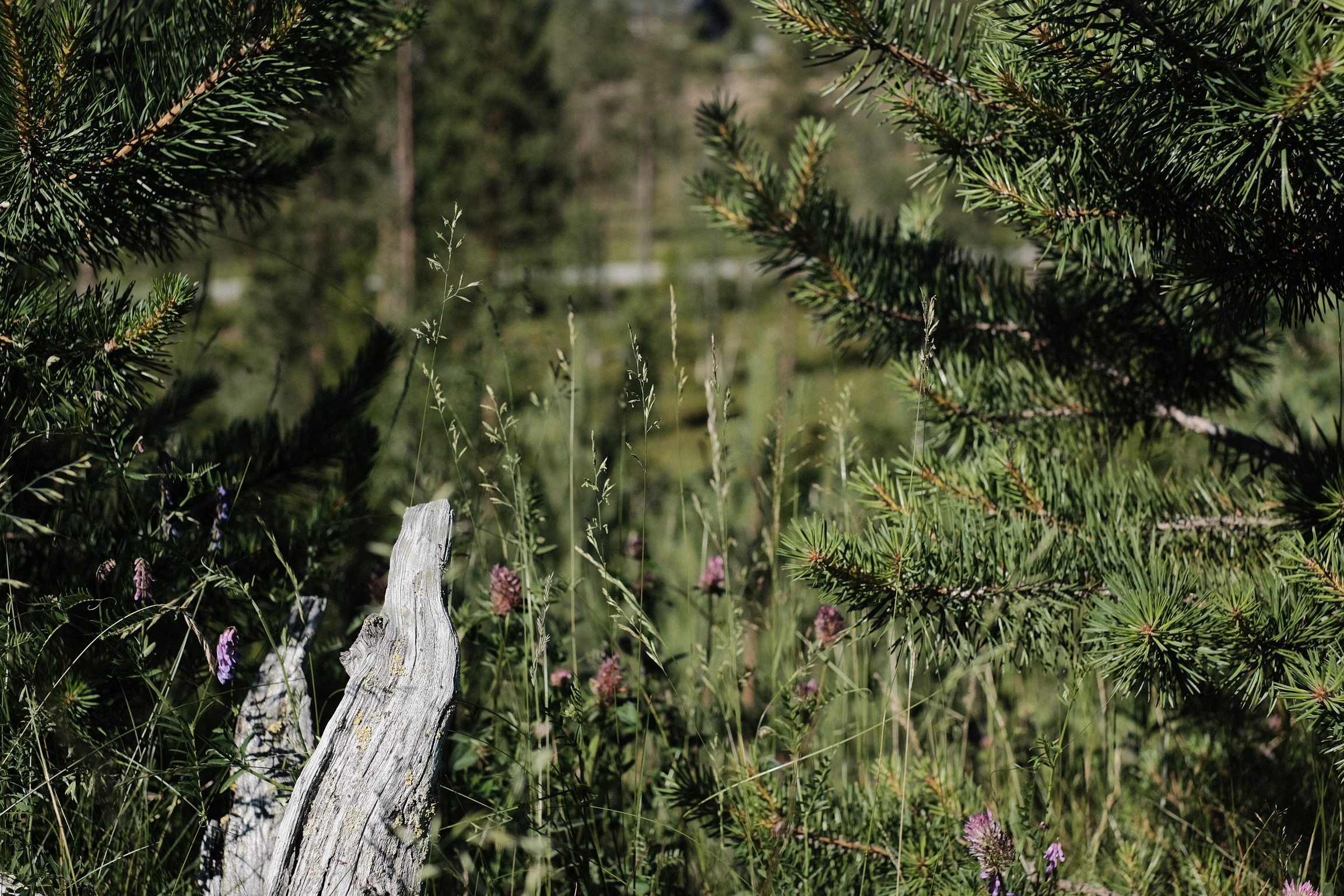
Maybe we also have to reconsider what we call weeds. In a living garden it is often the wild plants that keep the soil healthy, draw the bees and make the balance. Maybe the uncontrolled ideas and the people we do not understand at first are the ones carrying the solutions.
We are not machines. We are more like gardens. And gardens do not need more control. They need care, soil that leaves room to grow, and someone who sees the sprout, even when the seed is small and unfinished.
Maybe we also have to admit that not everything belongs in a garden. Some ideas and ways of living need the freedom of a forest. A forest has no gates, and it has life. It is wild, unpredictable and rich in variety. Maybe we need both. Gardens and forest. Places for what should be cultivated, and places for what is allowed to grow wild. Maybe the meeting between the planned and the free is where the next solutions sprout.
What if we built the future like a garden. Or a forest. What could grow then?